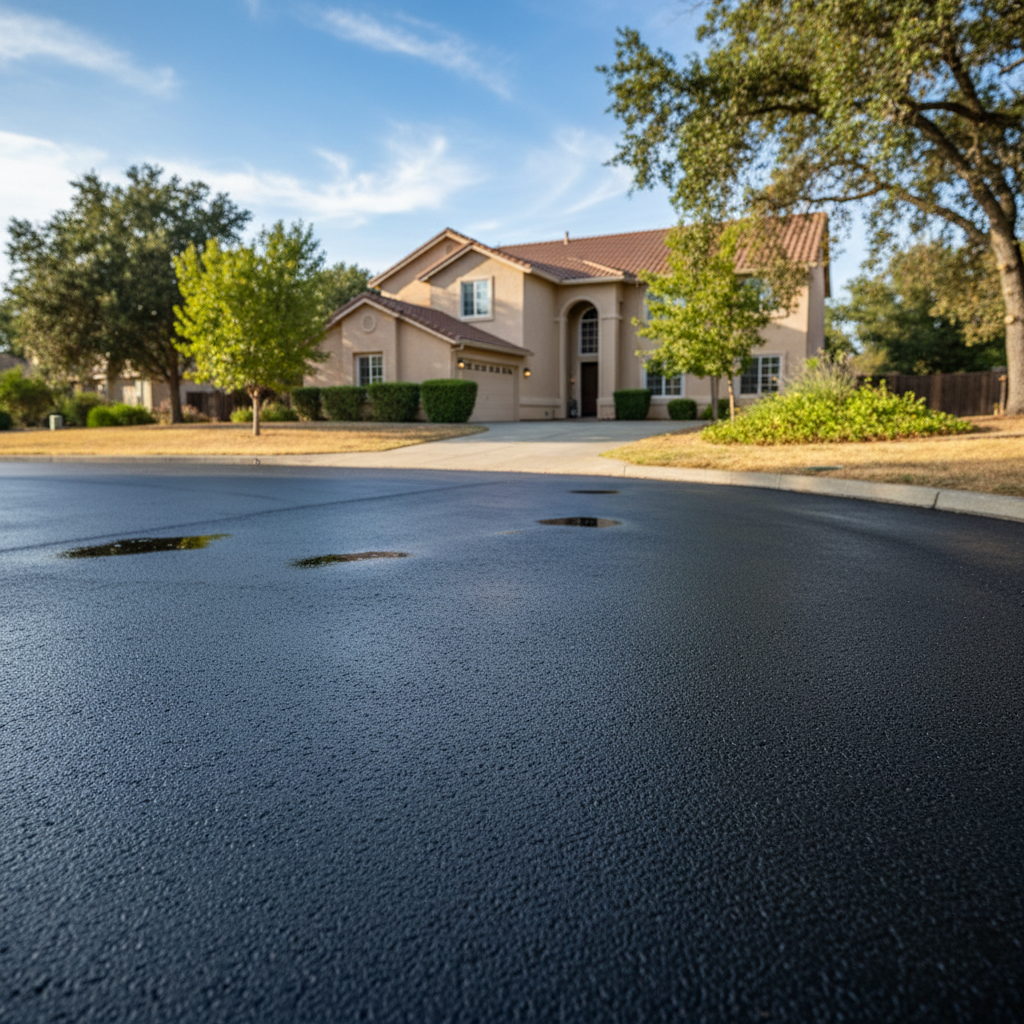
So, you've got a brand new asphalt driveway, or maybe one that's been around a few years but still looks pretty good. You want it to last, right? Of course you do. Nobody wants to shell out for a new driveway every couple of years, especially with how our Chico summers can really beat down on everything. Taking care of your asphalt isn't brain surgery, but it does need a little attention. Think of it like maintaining your car – a bit of preventative work goes a long way.
Make Your Driveway Last Longer: The Basics
The biggest thing you can do to get more years out of your asphalt is to keep it clean and sealed. I can't say this enough. Dirt, debris, oil, and gas spills all slowly break down the asphalt binder. Our intense summer sun here in Chico, with temperatures often hitting triple digits, bakes that asphalt, making it brittle. Then, when winter rolls around and we get those heavy rains, water can sneak into tiny cracks and expand when it freezes, creating much bigger problems. It's a vicious cycle, isn't it?
Here's what I recommend:
- Sealcoating: This stuff is like your asphalt's sunscreen and rain jacket all rolled into one. A good sealcoat protects against UV rays, keeps water out, and fends off chemical spills. For a brand-new driveway, I usually tell folks to wait about 6-12 months for the asphalt to fully cure. After that, get that first sealcoat. Then, every 2-3 years is a good general rule, though it depends on how much traffic it sees and how much sun it gets. If your driveway bakes in direct sunlight all day, like many homes out by California Park, you might want to consider doing it every two years.
- Cleanliness: Sweep off dirt, leaves, and other junk regularly. Try not to let puddles sit for too long if you can help it. If you spill oil or gas, clean it up right away. Kitty litter or sand can really help soak up fresh spills before they sink in.
- Edge Protection: The edges of your driveway are often the weakest spots. Try to avoid driving heavy vehicles right along the very edge. If you've got landscaping right up against it, make sure your sprinklers aren't constantly soaking the edge; that can lead to erosion underneath.
Regular Maintenance: What You Should Be Doing
Beyond sealcoating, there are a few simple things you can do yourself to keep an eye on things.
- Crack Filling: This is huge. Even the smallest cracks can let water in, and once water gets under your asphalt, it's pretty much over. It'll erode the base, and you'll end up with potholes. Watch out for hairline cracks, especially after the winter thaw. You can buy crack filler at most hardware stores and apply it yourself for small ones. Just make sure the crack is clean and dry first, okay?
- Addressing Potholes Promptly: If a pothole pops up, don't ignore it. It'll only get bigger. For small ones, you can use cold patch asphalt, but understand that's just a temporary fix. It's better than nothing, though.
- Drainage Checks: Make sure water is actually draining off your driveway properly. If you see areas where water consistently pools, that's a problem that needs to be fixed. Standing water weakens the asphalt and can lead to alligator cracking.
Warning Signs: When to Pay Closer Attention
Your driveway will usually tell you when it's having issues. You just need to know what to look for.
- Alligator Cracking: This looks like a bunch of interconnected cracks, kind of like an alligator's skin. It means the base underneath is failing, and water has likely gotten in. This isn't just a surface issue anymore; it's structural.
- Potholes: Obvious, I know, but sometimes people let them go. A pothole means the asphalt has completely failed in that spot, and the base is exposed.
- Fading and Discoloration: If your asphalt is looking gray instead of black, it means the binder is oxidizing from sun exposure. This is a sign it's losing its flexibility and getting brittle. A good sealcoat can often bring it back to life, but if it's too far gone, it might be too late.
- Soft Spots or Depressions: If you notice areas that feel soft when you walk on them, or if you see depressions where water collects, it could mean the base material underneath is compromised.
When to Call a Professional
Look, I'm all for homeowners doing what they can, but some jobs are just best left to the pros. You should definitely call someone like us at Primetime Asphalt Paving if you see:
- Widespread Alligator Cracking: If it's more than a small patch, you're probably looking at needing a larger repair or even an overlay. This isn't a DIY job.
- Large or Deep Potholes: While you can patch small ones, a big, deep pothole needs proper repair to make sure the base is stable and the patch actually lasts.
- Significant Drainage Issues: If water is consistently pooling on your driveway and not draining, it might require regrading or a more complex solution than you can handle with a shovel.
- Multiple Cracks Throughout: If you're spending every weekend filling cracks, it's time to consider a more comprehensive solution. Maybe an overlay or even a full replacement. You're just putting band-aids on a bigger problem, after all.
- If you're unsure: Honestly, if you're looking at your driveway and just have a gut feeling something's not right, give us a call. We're happy to come out, take a look, and give you an honest assessment. Sometimes it's a simple fix, sometimes it's more involved, but it's always better to catch it early.
Taking a little time to maintain your asphalt driveway can save you a lot of headaches and money down the road. It's an investment, and like any investment, it pays to protect it.