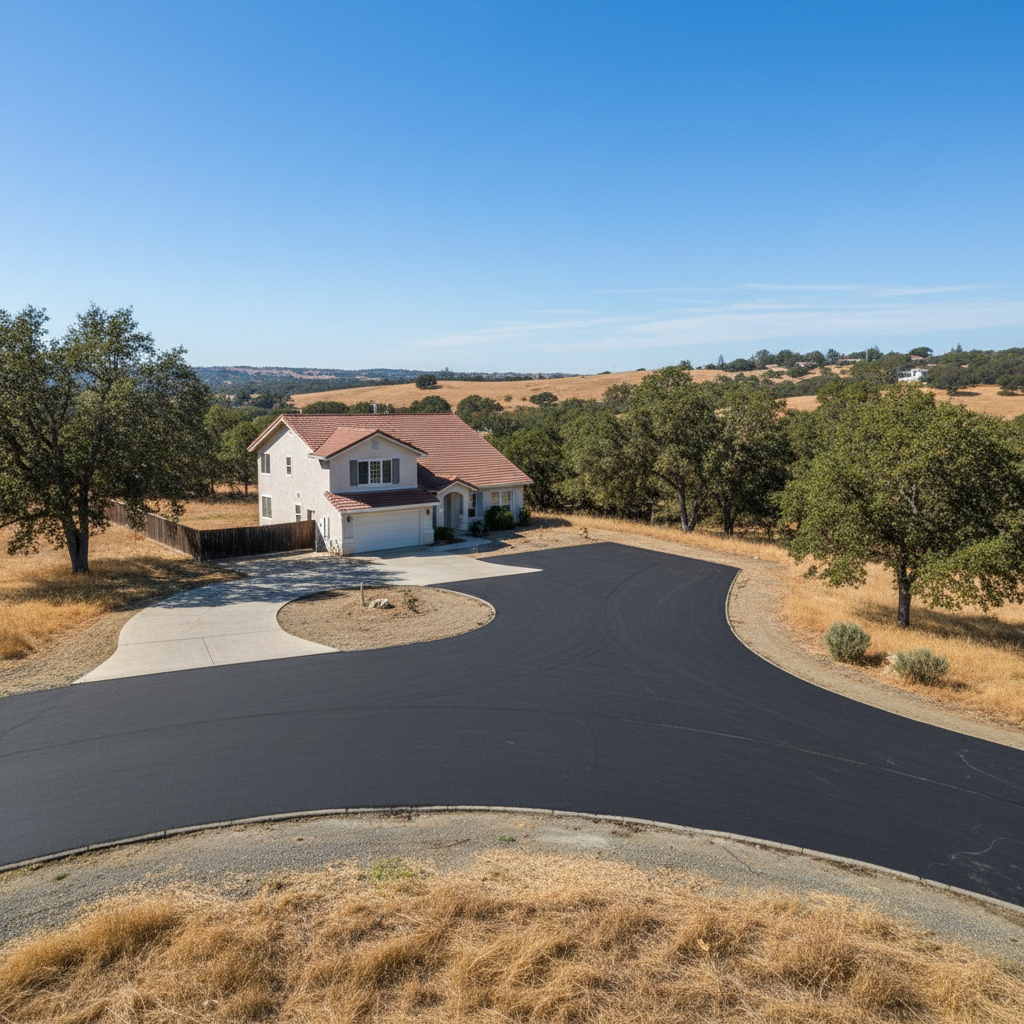
Alright, let's talk about patching up asphalt. You've probably seen it: a pothole, maybe some cracks spreading out like a spiderweb. And you know, deep down, it's time to get that fixed. But what's the real deal with getting a patch done right, especially here in Chico? It's way more than just sloshing down some blacktop; there's a whole process involved if you want it to actually last.
The Project Timeline: What Happens When
When you're looking at an asphalt patching job, things tend to move pretty fast once the crew actually starts working. Even so, the whole shebang—from your first phone call to finally driving on that fresh patch—involves a few key steps.
- First Contact & Quote: You'll pick up the phone and call a contractor, like us at Primetime Asphalt Paving. We'll ask you a few questions about what you're seeing, how big the area is, and what kind of damage you've got. After that, we'll set up a time to come out and take a look.
- Site Inspection & Evaluation: This is when we show up, really dig into the issue, measure everything, and figure out the best approach for your particular problem. Sometimes a patch is just a patch, plain and simple. Other times, though, what looks like a small surface issue might actually point to a bigger problem with the base underneath. We'll then hand you a proposal that spells out the work and the cost. This usually happens just a few days after your initial call, which is pretty quick.
- Scheduling the Work: Once you give us the green light on the proposal, we'll get you on the schedule. Here in Chico, our paving season generally kicks off in spring and runs through early fall. Why then? Well, we really need those warmer, dry conditions for the asphalt to cure properly. So, if you ring us up in the middle of a hot July, we might be booked out a bit. Planning ahead definitely helps if you can!
- The Patching Day: Most patching jobs get wrapped up in a single day, sometimes even just a few hours. It really depends on how big or tricky they are.
- Curing Time: After we lay down that hot asphalt, it needs some time to cure and cool off. You'll typically need to keep cars off it for at least 24 to 48 hours. If it's super hot outside, it might even be closer to 72 hours. Walking on it is usually fine after a few hours, but always double-check with the crew just to be safe.
What Actually Happens During the Process
You might think patching is just about dumping asphalt into a hole, but trust me, there's a lot more to it. A good, long-lasting patch involves several key steps:
- Area Preparation: First things first, we clean out the damaged spot. That means getting rid of all loose asphalt, dirt, water, and any other junk. If there's grass or weeds poking through, those have to go too, obviously. Sometimes we'll cut or chisel out the damaged blacktop to make nice, clean, straight edges. This really helps the new patch stick better.
- Base Repair (If Needed): If the problem goes deeper than just the surface, we might need to fix the sub-base. This is the foundation under your asphalt, and if it's not solid, your new patch won't last. We might add a coarse gravel mix and compact it to create a stable foundation.
- Applying a Tack Coat: We put on a bonding agent, often called a tack coat, to the edges and bottom of the prepared area. This stuff is super important because it helps the new asphalt bond to the old stuff.
- Filling with Asphalt Mix: Next, we fill the hole with fresh, high-quality asphalt mix. We usually overfill it a little because it's going to compact down. For bigger or deeper patches, we might apply it in layers, compacting each one as we go.
- Compaction: This is a really important step. We use special equipment, like a tamper or a roller, to press the new asphalt firmly into place. This makes sure it's dense, level with the surrounding surface, and durable.
- Sealing the Edges: Sometimes, we'll put a sealant around the edges of the patch. This helps keep water from getting in and causing future damage.
How to Get Your Property Ready
You don't need to do a ton, but a little preparation on your end can make things go a lot smoother:
- Clear the Area: Please make sure the area we're patching is clear of cars, planters, toys, or anything else that might be in the way. We need easy access, you know?
- Mark Obstacles: If you have any sprinkler heads, low-voltage lighting, or other buried utilities near the patch area that aren't obvious, let us know and maybe mark them with a flag or some spray paint.
- Communicate: If you have any specific worries or questions about the process, bring them up before the work starts. We're here to help, after all.
- Keep Kids & Pets Away: For safety, please make sure children and pets stay away from the work area during the patching process and while the asphalt is curing.
Questions to Ask Before Signing a Contract
Before you commit to any contractor, you absolutely have to ask the right questions. It's your property, your money, and you want the job done right. Here's what I'd want to know:
- Are you licensed, bonded, and insured? This isn't something you can skip. Ask to see current copies of their liability insurance and worker's compensation. If something goes wrong, you want to be protected.
- How long have you been in business in Chico? Experience really counts, especially with our local climate. Chico's hot, dry summers and wet winters can be tough on asphalt. You want someone who understands how the heat and occasional heavy rains affect pavement here.
- Can you explain how you address the sub-base and drainage? A lot of asphalt failures actually start underneath. You want to hear how they'll check the existing base and make sure water drains properly.
- What type of asphalt mix will you use, and what will the compacted thickness be? There are different mixes out there, and you want to be sure they're using a quality one that's right for your traffic load. Also, ask about the *compacted* thickness, not just how thick it is when it's loose.
- What's included in the estimate? Make sure the estimate is detailed and covers everything: labor, materials, site prep, cleanup, and any potential extras. Nobody likes surprises.
- Do you offer a warranty? What does it cover? A good contractor stands behind their work. Get the warranty details in writing, including what it covers and for how long.
- Can you provide local references? Ask for references from recent jobs, ideally right here in Chico. This lets you see their work firsthand and chat with other homeowners about their experience.
Getting your asphalt patched doesn't have to be a big headache. By understanding the process, doing a little prep, and asking the right questions, you'll be well on your way to a smooth, durable fix. If you're in Chico and need a hand, just give Primetime Asphalt Paving a call. We're always happy to talk you through it.