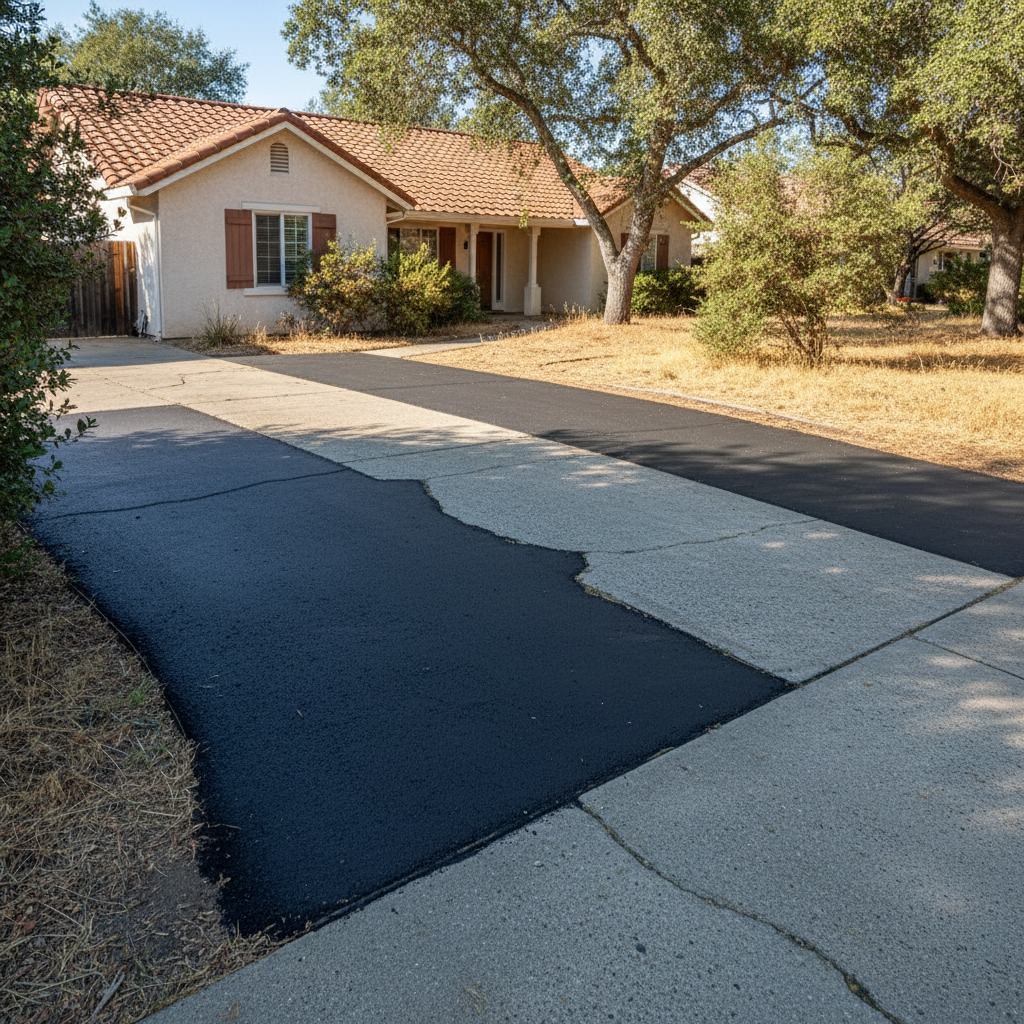
Got some potholes or cracks on your asphalt that are just getting out of hand? You're definitely not alone. Here in Chico, our asphalt really takes a beating, what with those scorching summers and then the occasional downpour. If you're thinking about patching up your driveway or parking area, that's a smart move to protect your investment. But before you dive in, let's chat about how to plan this whole thing right, so you actually get what you need.
Setting Your Project Timeline
First things first, let's talk about timing. Asphalt patching isn't usually a five-alarm emergency, but you shouldn't wait until a small crack becomes a full-blown crater, should you? For most patching jobs, once the work actually starts, you're looking at a pretty quick turnaround. The biggest wildcard is usually just getting onto a contractor's schedule. During peak season, like spring and fall when the weather's just perfect, we get pretty swamped. So, if you're hoping to get it done in April or May, you might want to start calling for quotes back in February or March.
Once we're on site, a typical patching job for a home driveway might only take a few hours to a day. Of course, that depends on how big and complex the areas needing work are. Larger commercial lots, naturally, will take longer. You'll also need to factor in cure time. We'll give you the specifics, but generally, you'll want to keep off that fresh patch for at least 24-48 hours. Sometimes it's longer, especially if it's a deep patch or if the weather's particularly cool.
What to Expect During the Process
So, what actually happens when our crew shows up? It's more than just slapping some asphalt down, believe me. A good patching job involves a few key steps:
- Assessment: We'll give the damaged areas a good, hard look. Is it just the top layer, or is the base failing? That makes a huge difference in how we tackle it.
- Preparation: This part is absolutely crucial. We'll clean out the area, getting rid of loose debris, dirt, and any standing water. Sometimes, we'll cut out the damaged section in a nice, rectangular shape. That's what we call a 'saw-cut patch,' and it usually gives you the most durable repair. For smaller, shallower cracks, a 'skin patch' or 'pothole patch' might do the trick, but often, it's more of a temporary fix.
- Tack Coat: We apply a sticky liquid asphalt, a 'tack coat,' to the edges and base of the area we're patching. This helps the new asphalt bond properly to the old pavement. Seriously, don't skip this step!
- Asphalt Application: We fill the prepared area with hot asphalt mix. We're talking commercial-grade asphalt here, not that cold patch stuff you buy in bags. That's really just for emergencies.
- Compaction: This is where the patch gets its strength. We use a vibratory plate compactor or a roller to compact the new asphalt, making sure it's dense and level with the surrounding pavement.
- Cleanup: We'll clean up any extra material and leave your property tidy.
How to Prepare Your Property
Before the crew arrives, you can do a few things to make the process smoother for everyone:
- Clear the Area: Move any vehicles, trash cans, planters, or anything else off the driveway or parking lot. We need clear access to the work zones, plain and simple.
- Trim Overhanging Branches: If you've got low-hanging tree branches that might get in the way of equipment, give them a trim.
- Mark Sprinklers: If you have any sprinkler heads or invisible dog fences near the work area, mark them clearly with flags or paint. We really don't want to accidentally damage them.
- Secure Pets: Keep your pets indoors or in a secure area away from the work. Our equipment can be noisy, and we certainly don't want any accidents.
- Communicate: If you have any specific concerns or areas you want us to pay extra attention to, just make sure you've discussed them with us beforehand.
Questions to Ask Before Signing a Contract
You're investing in your property, so don't be shy about asking questions. Any reputable contractor, like us at Primetime Asphalt Paving, will be happy to answer them. Here's what I'd want to know if I were in your shoes:
- What's your exact patching method? Are you doing saw-cut patches, skin patches, or a mix of both? Knowing this helps you understand how durable the repair will be.
- What kind of asphalt mix will you use? There are different grades, you know. You want a quality mix designed for our local climate, something that can handle the temperature swings we see from the Valley Oak Park area all the way out to the orchards.
- How will you prepare the base? A good patch starts with a good foundation. Will they clean, apply a tack coat, and make sure drainage is proper?
- What's the estimated cure time? When can I actually drive on it? This is super important for planning your life.
- Do you offer a warranty on the patching work? If so, what does it cover and for how long?
- Can you provide references from other patching jobs in Chico? Seeing their work or talking to past clients can give you a lot of confidence.
- What's included in the price? Make sure the quote covers everything – materials, labor, cleanup, and disposal. No hidden fees, please.
- Are you licensed and insured? This is a big one. You want to make sure you're protected if anything goes wrong.
Asking these questions upfront will help you pick the right contractor and ensure your asphalt patching project goes smoothly. It really all comes down to clear communication and knowing what to expect.