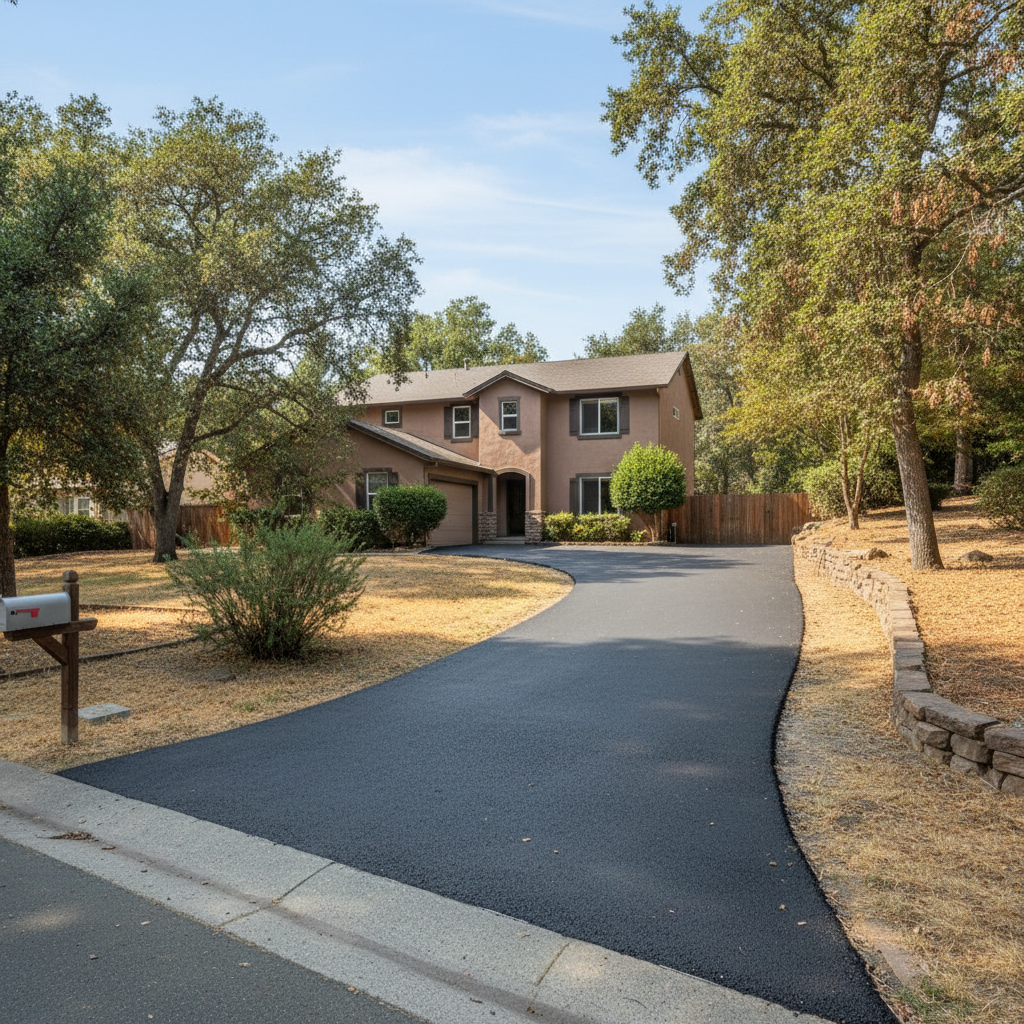
Understanding Chico's Climate and Your Asphalt
So, you've got an asphalt driveway, and you want it to last. That's a smart move. Here in Chico, our climate is pretty unique, and it really changes how your asphalt holds up and when the best time is to work on it. It's not like looking after a driveway in, say, Seattle or Phoenix; our sizzling hot, dry summers and wet, sometimes frosty winters put a special kind of strain on the material. I've personally seen what happens when people ignore these seasonal shifts, and honestly, it usually means pricier repairs down the road.
Just think about it: those brutal 100-degree days we get in July and August? They make the asphalt soft, almost squishy. Then, when the temperatures drop and we get those heavy winter rains, water can sneak into any tiny cracks that popped up during the heat. If it freezes, even a little bit, that water expands and busts those cracks wide open. That's exactly how potholes start, which is why really understanding our local weather patterns is key to keeping your driveway in great shape.
When's the Best Time for Asphalt Work in Chico?
This is probably the question I get asked most often, and for good reason. Timing is everything when it comes to putting in new asphalt or doing big repairs. You can't just pave whenever the mood strikes; the weather absolutely has to play along.
Spring (March to May): This is prime time, no doubt about it. The ground has had a chance to dry out from all the winter rains, and temperatures are consistently warm but not scorching. The asphalt mix cures just right, and you don't have to worry about it getting too soft or cooling off too fast. If you're thinking about a new driveway or a big overlay, this is when you should be calling us at Primetime Asphalt Paving to get on the schedule.
Early Fall (September to October): Another fantastic window. The summer heat has finally broken, but we usually still get plenty of dry, warm days. It's also a perfect time for sealcoating, since the material needs warm temperatures to cure properly before the real winter chill sets in. You really want that sealcoat to have a good month or two of mild weather to settle in before it faces any frost.
Summer (June to August): We can do some work in the summer, especially smaller repairs or patching, but it's really not ideal for large paving jobs. The extreme heat can make the asphalt too soft to work with efficiently, and it can mess with the compaction and curing process. Plus, working out in that kind of heat isn't fun for anyone, and it can lead to rushed jobs or compromised quality if not managed carefully.
Winter (November to February): Generally, this is a definite no-go for major asphalt work. The cold temperatures stop the asphalt from compacting and curing correctly. If the ground is wet or frozen, you're just asking for trouble, honestly. We might do emergency patching if it's absolutely necessary, but it's usually just a temporary fix until spring. Don't let anyone tell you they can lay a perfect driveway in December in Chico; they're probably cutting corners.
Weather Conditions That Affect Asphalt Work
Beyond just the season, specific weather conditions really matter. You might think a sunny day is just a sunny day, but there's more to it than that.
Temperature: For new paving or overlays, the air temperature needs to stay consistently above 50°F, and ideally between 60°F and 85°F. This lets the asphalt compact properly and cure at the right speed. If it's too cold, the asphalt cools too fast and gets brittle. Too hot, and it can be too soft to compact correctly.
Moisture: You simply cannot pave on wet ground. Period. Water underneath the asphalt will make it fail way too soon. Even a damp surface can stop it from sticking right. That's why those spring and fall dry spells are so incredibly important. After a good rain, we need a few days of sunshine to dry out the sub-base, especially in areas with heavier clay soils, which we certainly have around Chico, particularly in the older neighborhoods closer to the foothills.
Wind: While not as critical as temperature or moisture, strong winds can speed up how fast hot asphalt cools, sometimes making it cool too quickly before we can compact it properly. It's usually a minor factor, but it's definitely something we keep an eye on.
Protecting Your Investment Year-Round
So, you've got a fantastic asphalt driveway. Now, how do you keep it that way? It's not just about getting the work done at the right time; it's about looking after it constantly.
Sealcoating: Think of this as your driveway's sunscreen and raincoat all rolled into one. I usually recommend sealcoating every 2-3 years, depending on how much traffic it gets and how much sun it sees. It guards against UV rays, water seeping in, and oil spills. Get it done in the spring or early fall when temperatures are mild and dry.
Crack Sealing: The moment you spot a crack, get it filled. Seriously, don't wait. Those small cracks are like open doors for water, and as I mentioned, water is asphalt's worst enemy, especially when it freezes. Sealing them quickly stops them from turning into bigger, more expensive headaches.
Drainage: Make sure water flows away from your driveway, not onto it or pooling on it. Check your gutters and downspouts. If you have low spots that collect water, that's a problem that needs fixing. Good drainage is absolutely fundamental to how long your asphalt lasts.
Cleanliness: Keep your driveway clear of debris, dirt, and especially oil or gas spills. These can break down the asphalt binder over time. Clean up spills right away.
Edge Protection: The edges of your driveway are often its weakest spots. Try to avoid driving heavy vehicles right on the edge. If you have a gravel shoulder, keep it well-maintained to support the asphalt edge.
Taking care of your asphalt driveway isn't rocket science, but it does mean paying a little attention to our local Chico climate. By scheduling work at the right time and keeping up with basic maintenance, you'll significantly extend your driveway's life. If you've got questions or need a hand, you know who to call.