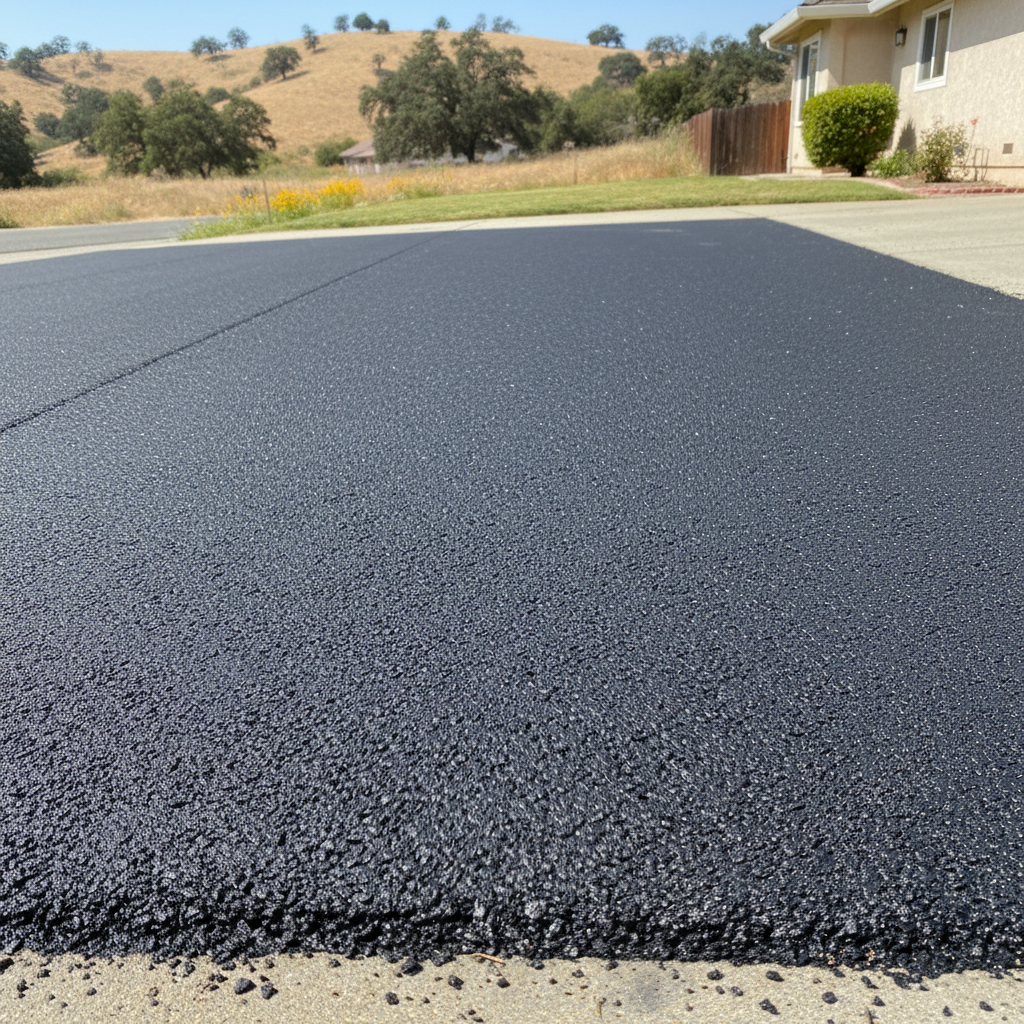
Got cracks or potholes showing up on your asphalt driveway or private road? It's a common sight around Chico, especially after a wet winter or a scorching summer. People often ask me, "Do I really need to fix that?" and "How long will a patch last?" So, I figured I'd answer some of the most common questions I get about asphalt patching.
What's the big deal with a small crack or pothole anyway? Can't I just leave it?
Look, I get it. Nobody wants to spend money if they don't have to. But here's the deal: that small crack or pothole isn't going to get better on its own. It's only going to get worse. Water is the enemy of asphalt. When it rains, water seeps into those cracks. Then, when it gets cold – and yeah, it does get cold enough here in Chico for the ground to freeze, especially overnight – that water freezes, expands, and pushes the asphalt apart. This is called the freeze-thaw cycle, and it's a huge contributor to pavement damage. What starts as a hairline crack can quickly become a major pothole, and then you've got a much bigger, more expensive problem on your hands. Plus, a crumbling surface is a tripping hazard for folks walking on it and can damage vehicle tires or suspensions.
What kind of patching methods are there, and which one's best for my driveway?
There are a few ways we tackle patching, and the best one really depends on the damage. We're not just throwing some cold patch in there and calling it a day, not if you want it to last.
- Skin Patching: This is for shallower, surface-level damage. We'll clean the area, apply a tack coat, and then lay down a thin layer of new asphalt. It's a quick fix, but it's not for deep structural issues.
- Full-Depth Patching (or Cut-Out Patching): This is the gold standard for potholes and areas with significant structural failure. We'll cut out the damaged section, remove all the old material down to the sub-base, clean it thoroughly, apply a tack coat, and then fill it with new hot asphalt, compacting it in layers. This creates a much stronger, longer-lasting repair. This is what we usually recommend for driveways because it addresses the root cause of the problem.
- Infrared Patching: This is a pretty neat technique. We use infrared heaters to heat the existing asphalt around the damaged area, soften it up, then add new material, mix it all together, and compact it. It creates a seamless repair with no cold joints, which can be great for certain types of damage, especially in parking lots or larger areas.
For most homeowners in Chico dealing with a pothole or a section that's really breaking up, full-depth patching is usually the way to go. It's the most durable option.
How long does an asphalt patch typically last?
This is a big one. A properly done full-depth patch, using hot asphalt and good compaction, can last for many years – often 5 to 10 years, sometimes even longer, especially if the underlying base is solid and you're maintaining the rest of your pavement. A skin patch? Maybe a couple of years if you're lucky. Cold patch? That's a temporary fix, really. It'll get you through a tough spot but don't expect it to hold up for the long haul. The key is quality materials and proper installation. At Primetime Asphalt Paving, we don't cut corners because we want our work to last.
Can I just do it myself with some cold patch from the hardware store?
You can, but I wouldn't recommend it as a permanent solution. Cold patch is designed for temporary repairs, like getting you through until a professional can come out. It doesn't bond as well as hot asphalt, it's not as durable, and it won't compact to the same density. You'll likely find yourself patching the same spot again next year. For a lasting repair, you need hot asphalt, specialized equipment for heating and compaction, and the know-how to prepare the area properly. It's like trying to fix a leaky roof with duct tape – it might work for a bit, but you're better off calling a roofer.
What causes asphalt to crack and pothole in the first place?
Lots of things! Like I mentioned, water intrusion and the freeze-thaw cycle are big ones. Heavy traffic, especially if your driveway sees a lot of large vehicles, can put a lot of stress on the pavement. Poor drainage is another major culprit; if water isn't draining away from your driveway, it's going to sit there and weaken the asphalt. And then there's just plain old age and UV damage from the sun. We get a lot of sun here in Chico, which can dry out the asphalt binder over time, making it brittle and prone to cracking. Sometimes, it's even an issue with the original sub-base not being properly prepared. For example, if your home is in an older area like the avenues where you might have some expansive clay soils, that can also contribute to movement and cracking if the base wasn't built right.
When is it too late for patching, and I need to consider a full replacement?
That's a great question, and it's something I assess on every job. If you've got isolated potholes or cracks, patching is usually the way to go. But if more than about 25-30% of your asphalt surface is severely cracked, crumbling, or showing widespread alligator cracking (where it looks like alligator skin), then you're probably past the point where patching is cost-effective. At that point, you're just chasing problems, and it's often better to invest in a full removal and replacement. We'll always give you an honest assessment and tell you if patching is truly a good long-term solution or if it's just throwing good money after bad.
Don't let those small issues turn into big headaches. Getting them fixed sooner rather than later will save you money and keep your property looking good. If you've got questions about your specific driveway or need an estimate, give us a call at Primetime Asphalt Paving. We're happy to come take a look.