Alright, let's talk about asphalt milling. I get a lot of questions about this process, and it's something we do a fair bit of here at Primetime Asphalt Paving. Especially with the way our roads and driveways take a beating from the summer heat and then the winter rains, you know? It's not always the flashiest part of paving, sure, but it's often the smartest move for a surface that'll really last. So, I figured I'd lay out some answers to the most common questions I hear from folks around Chico.
What exactly is asphalt milling?
Simply put, milling is like shaving off the top layer of your existing asphalt. We use a specialized machine for this, often called a cold planer or milling machine. It has a big rotating drum with cutting teeth that grinds down the old, worn-out asphalt to a specific depth—usually anywhere from an inch to several inches. We don't remove the whole thing, just the damaged surface. Think of it as preparing a fresh, clean slate for new asphalt to go on top, without having to dig up and haul away the entire driveway or parking lot. Pretty neat, huh?
Why would I choose milling instead of just repaving?
That's a great question, and it usually comes down to a few key things: cost, structural integrity, and elevation. First, it's often more cost-effective than a full tear-out and replacement. You're not paying for as much demolition, hauling away tons of old material, or bringing in as much new base rock. Second, if your underlying base layer is still solid—and often it is, even if the top asphalt is cracked—milling preserves that good foundation. You're essentially recycling the strength you already have. Third, and this is big for homeowners, milling maintains your existing grades and elevations. You don't want your driveway suddenly higher than your garage floor, or creating drainage issues because it's now higher than the surrounding landscape. Milling keeps things consistent, which is especially important in areas like the avenues where you've got established drainage patterns.
Is milling a good option for all types of asphalt damage?
Not always, no. Milling is fantastic for surfaces with a lot of cracking, rutting, or potholes that are mostly confined to the top layer. If your asphalt is just old, faded, and has some alligator cracking, milling and then overlaying it with new asphalt is usually perfect. But if your problems go deeper—say, you've got major structural failures, widespread sub-base issues, or significant drainage problems causing large areas to completely collapse—then milling might only be a temporary fix. In those cases, you might need a full-depth removal and replacement to properly address the underlying issues. We'll always assess your specific situation to tell you what's truly best.
What happens to the old asphalt that gets milled up?
That's the cool part: it gets recycled! The milling machine collects all those asphalt chunks and dust. We then haul that material away, and it typically goes to an asphalt plant or a recycling facility. They process it, often crushing it down and mixing it with new materials, to create what's called Reclaimed Asphalt Pavement, or RAP. RAP can then be used in new asphalt mixes, base layers for roads, or even for things like shoulders on rural roads. It's an environmentally friendly approach that reduces waste and the need for virgin materials, which we definitely appreciate here at Primetime Asphalt Paving.
How long does the milling process take?
The time it takes really depends on the size of the area being milled and the depth we're going. For a typical residential driveway, it might only take a few hours. For a larger commercial parking lot, it could be a day or even several days. The machines we use are pretty efficient, but there's also the setup, the hauling away of the milled material, and then getting ready for the new asphalt. We'll give you a clear timeline upfront once we've seen your project. It's usually a much quicker process than a full tear-out and replacement, which means less disruption for you.
Will milling affect my landscaping or property?
We take every precaution, but it's a construction process, so there's always some impact. The milling machines are big and heavy, so we're careful around curbs, sidewalks, and any structures. There will be some dust, especially on dry, windy days, which we try to mitigate as much as possible. We also make sure to protect any delicate landscaping or irrigation systems that are close to the work area. Before we start, we'll walk the property with you to identify any potential concerns and make a plan to minimize any disruption. We treat your property like it's our own, because that's just how we operate.
Can I drive on a milled surface before new asphalt is laid?
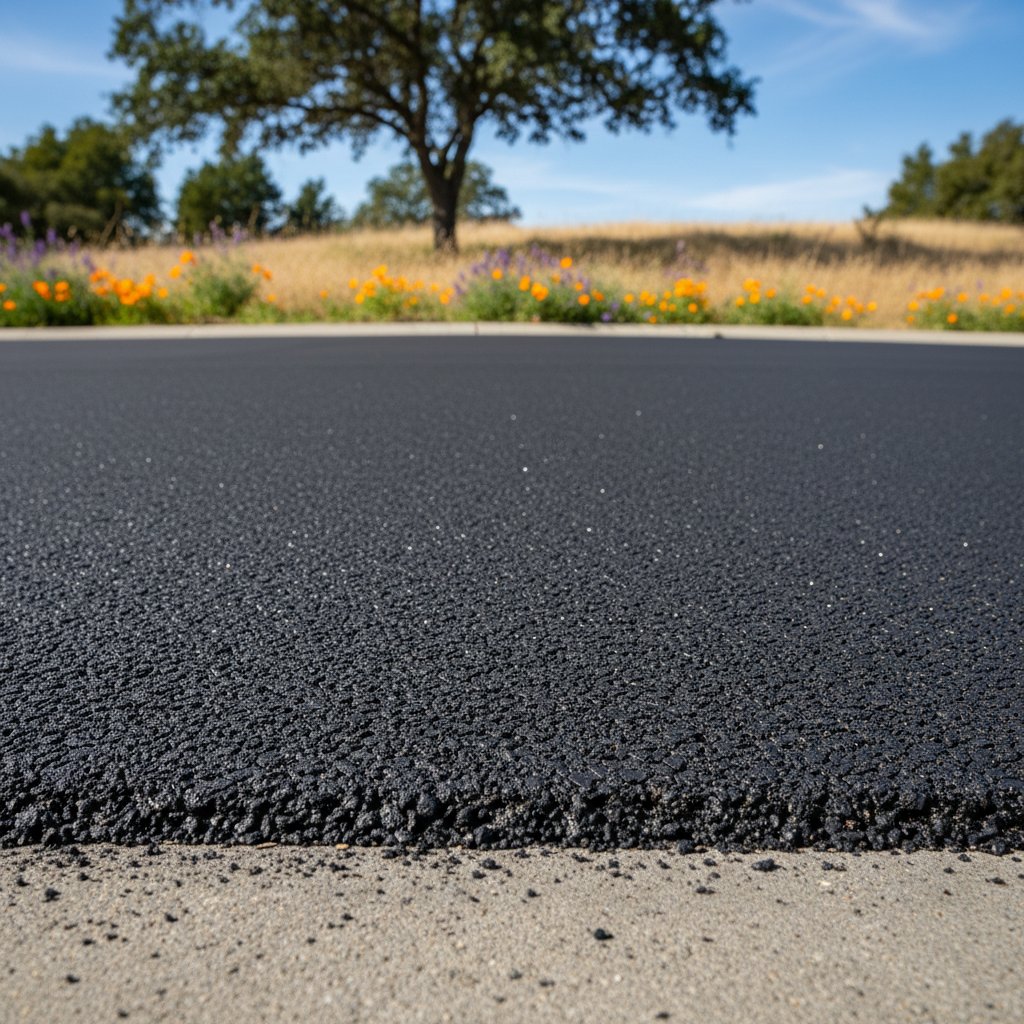
Yes, usually you can, but it's not ideal for long. A milled surface will be rough, uneven, and potentially have loose aggregate. It's generally safe to drive on it carefully if absolutely necessary, but you'll want to go slow to avoid damaging your tires or suspension. We try to schedule things so the new asphalt goes down as soon as possible after milling to minimize this interim period. We'll give you specific instructions for your project, but generally, it's best to avoid driving on it unless you absolutely have to.
How long will a milled and overlaid surface last?
If done right, with a good base and proper compaction, a milled and overlaid asphalt surface can last just as long as a brand new full-depth pavement—often 15-20 years or even more, especially with good maintenance. The key is that the milling process removed the fatigued top layer and we're putting down a fresh, strong layer of asphalt on a stable foundation. It's not a shortcut; it's a smart way to get a durable, long-lasting surface without the full expense and disruption of a complete rebuild.
Hopefully, that clears up some of the common questions you might have about asphalt milling. If you've got a driveway or parking lot in Chico that's seen better days, give us a call. We're happy to come out, take a look, and tell you straight what we think is the best approach for your specific situation.