So, you're looking at that old, cracked, maybe even potholed driveway of yours and thinking, "It's time for a change." You've probably heard about repaving, but have you considered asphalt milling? It's a smart option, especially for homeowners right here in Chico, and it's something I get asked about a lot at Primetime Asphalt Paving.
Milling, in simple terms, is like shaving off the top layer of your existing asphalt. We use specialized equipment to grind down that old, worn-out surface, leaving behind a fresh, stable base. That material we remove? It's called reclaimed asphalt pavement, or RAP, and it's gold. You can reuse it, which is great for your wallet and the environment. Let's talk about when milling makes sense and what you need to know before, during, and after the job.
Before the Project: Is Milling Right for You?
First off, milling isn't always the answer. If your driveway's foundation is completely shot – I'm talking major structural issues, big sinkholes, or water pooling in places it shouldn't – then you might need a full tear-out and rebuild. But if your asphalt surface is just cracked, rutted, or has potholes that aren't too deep, milling could be perfect. It's often more affordable than a full replacement because it saves on material costs and disposal fees.
Here's what you can do yourself before you even call a pro: take a good look at your driveway. Are the cracks mostly on the surface, or do they seem to go deep? Does water drain away properly, or does it sit around for days after a rain? If you've got a lot of trees around, especially those big oaks common in neighborhoods like the Avenues, their roots can really mess with a sub-base. Milling won't fix those deep-seated root problems, so that's something to consider.
You can also clear off any debris, move cars, and make sure access is easy. Beyond that, assessing the structural integrity of your driveway's base is definitely a job for someone with experience. That's when you'd call me or another reputable paving contractor to come out and give you an honest assessment. We'll tell you if milling is a viable option or if you're better off with a full replacement.
During the Project: What to Expect
Once we've decided milling is the way to go, here's what typically happens. Our crew will show up with some serious machinery – specifically, an asphalt milling machine. These aren't little garden tools; they're big, powerful pieces of equipment designed to precisely remove a specific depth of asphalt.
The machine has a rotating drum with cutting teeth that grinds up the old asphalt. As it mills, a conveyor belt loads the RAP directly into dump trucks. It's a pretty efficient process. You'll hear some noise, and there will be dust, but we do our best to keep things tidy. We're usually pretty good about containing it, but you might want to close your windows, especially if you're sensitive to dust.
For the homeowner, your main job during the project is to stay out of the way and keep pets and kids clear of the work zone. This isn't a DIY job, not even a little bit. Operating a milling machine requires specialized training and equipment that you're not going to find at your local rental store. Plus, handling the reclaimed asphalt and preparing the sub-base for the new layer is crucial for a long-lasting finish. Trust me, you want pros handling this part.
After the Milling: The Next Steps
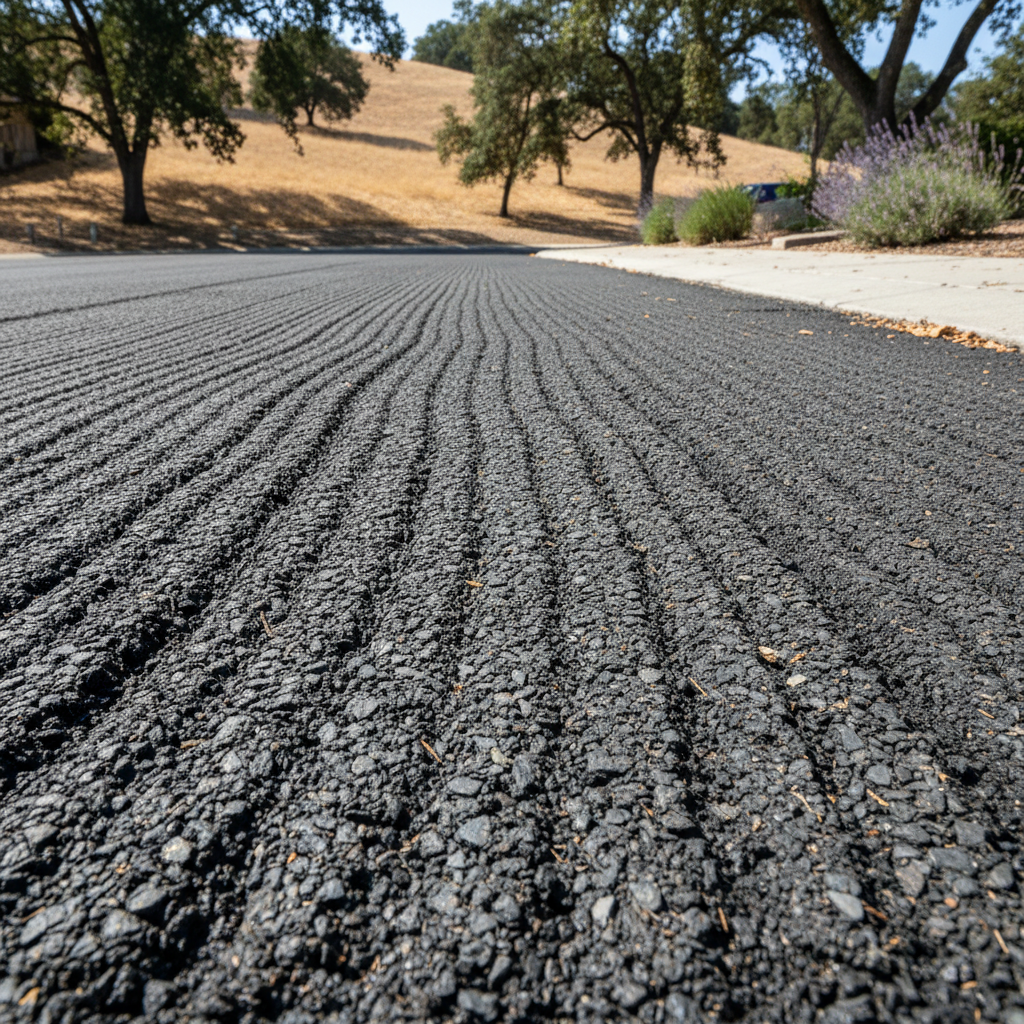
Once the milling is done, you're left with a roughened, textured surface. This isn't your finished driveway; it's the new base for your fresh asphalt layer. The texture actually helps the new asphalt bond better, creating a stronger, more durable surface. Sometimes, if the milled surface is stable enough, and you're just looking for a temporary, budget-friendly solution for a low-traffic area, you could technically leave it as is for a short period. But for a proper, long-lasting driveway, you'll want to get that new asphalt down pretty quickly.
The next step is usually applying a tack coat – a sticky liquid asphalt emulsion that helps the new layer adhere. Then, we lay down the new hot asphalt mix and compact it thoroughly with rollers. This is where the magic happens, turning that rough milled surface into a smooth, beautiful driveway.
After the new asphalt is laid, you'll need to stay off it for a bit, usually 24-48 hours, to let it cure properly. We'll give you specific instructions based on the weather and the type of asphalt used. It's really important to follow these guidelines to avoid damaging the fresh surface. For the first few months, you'll want to be a little gentle: avoid sharp turns with your steering wheel while stationary, and be careful with heavy vehicles. Our hot Chico summers can make fresh asphalt a bit softer, so just keep an eye on it.
Milling is a fantastic option for many Chico homeowners looking to revitalize their driveways without breaking the bank. It's an eco-friendly choice too, reusing that old asphalt. If you're wondering if it's right for your property, don't hesitate to give us a call at Primetime Asphalt Paving. We'll come out, take a look, and give you the straight scoop.